
Get started
Get started


Back-office functions—like expense tracking, vehicle maintenance coordination, compliance management, and driver support—are essential to fleet operations. Yet when they’re handled manually or inefficiently, costs can quietly spiral.
While most companies invest in vehicles, routes, and logistics, few take the time to evaluate the administrative processes behind those operations. But those seemingly small inefficiencies—lost receipts, delayed reporting, disorganized maintenance records—can end up draining thousands from your annual fleet budget.
When these tasks are manual or fragmented, it leads to:
And all of that directly impacts your margins.
Across the industry, many organizations struggle with outdated or inconsistent fleet admin workflows. Common issues include:
These inefficiencies slow your team down and make it harder to optimize routes, track fleet performance, or ensure regulatory compliance.
Administrative work will always be part of managing a commercial vehicle fleet—but it doesn’t have to be a cost center. The right strategies and tools can improve fleet management and turn administrative tasks into an engine for savings and efficiency.
Paperwork is one of the biggest time sinks in fleet management. Whether you're tracking delivery logs, fuel usage, or vehicle maintenance history, manual forms slow everything down. Automating these processes with a fleet management system ensures information is captured accurately, stored securely, and accessible when you need it.
This not only frees up time for your staff, but it also reduces human error and makes audits far less stressful.
Mistakes in administrative processes—like misentered mileage, missing receipts, or delayed reimbursements—create rework that consumes hours each week. Fleet management software that automates driver pay, validates expenses, and syncs with other systems significantly reduces these errors.
And when data flows cleanly between departments, the entire organization benefits—from finance to operations to HR.
Regulatory compliance is non-negotiable, but keeping up with it manually is a heavy lift. Digital compliance tools can help your fleet stay aligned with FMCSA and DOT regulations by tracking:
Automated reminders and centralized dashboards make it easy to stay ahead of renewal deadlines and avoid costly penalties.
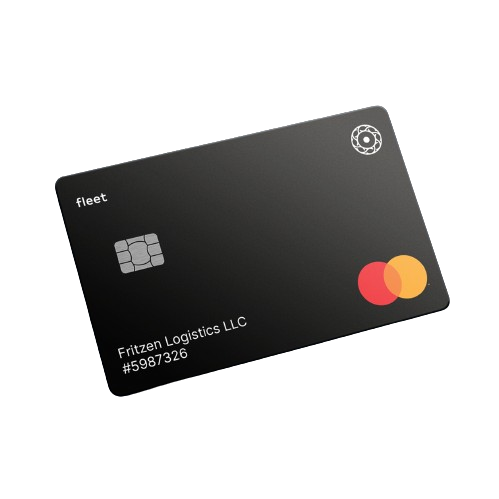
At AtoB, we understand the daily demands fleet administrators face—and we’ve built our platform to reduce them. AtoB fleet cards help you track, manage, and control your fleet administration tasks without the usual hassle.
Instead of juggling spreadsheets, inboxes, and outdated databases, AtoB provides a unified dashboard to oversee fuel expenses, vehicle maintenance, and driver purchases. This real-time visibility helps fleet managers quickly identify cost trends, flag irregular activity, and make smarter business decisions without digging through paperwork.
Manual entry of receipts and invoices is not only tedious—it’s also unreliable. AtoB eliminates this process with automatic capture and categorization of every transaction. Whether it’s a fuel purchase at a truck stop or payment for vehicle service, every expense is tracked and filed instantly.
Generating reports doesn’t have to take hours. With AtoB, you can create tailored, recurring reports that cover everything from driver fuel efficiency to fleet-wide maintenance costs. These reports are fully customizable and exportable, so you can keep stakeholders informed and make strategic decisions without wasting time on formatting.
While software is a powerful enabler, successful cost reduction also comes from internal processes and team enablement.
Your tools are only as effective as the people using them. It’s worth investing in staff training to ensure everyone—from dispatchers to administrators to drivers—understands how to log expenses properly, follow protocols for reporting vehicle maintenance, and use the company’s fleet management system.
Educated employees make fewer errors, work more efficiently, and help build a culture focused on cost control.
Fleet cards—like the AtoB fuel card—offer more than just payment convenience. They’re a rich source of data that can help you:
When fleet card data is tied into your overall fleet operations, it provides insight into performance, profitability, and areas for improvement.
Depending on the size and complexity of your fleet, outsourcing some administrative functions might make financial sense. Tasks like fuel tax filing, data entry, or compliance audits can often be handled more efficiently by third-party partners.
However, in-house control offers greater customization and tighter alignment with internal processes. The best approach may be a hybrid—keep critical responsibilities internal while outsourcing low-impact or high-volume tasks.
Fleet administration doesn’t have to be a cost center. With the right systems in place, it can become a strategic lever—one that supports compliance, unlocks efficiencies, and helps you stay agile in a competitive industry.
To recap, fleet operators can cut administrative costs by:
Each of these changes—while small on its own—adds up to meaningful operational savings over time.
Your fleet card is more than a payment method—it’s a tool for data, control, and cost reduction. AtoB’s fuel card offers fuel discounts, nationwide acceptance, real-time tracking, and no hidden fees. It gives your team the tools they need to manage expenses, stay compliant, and optimize operations. Apply for the AtoB fleet card to start saving on fleet administration costs.

.jpg)