
Get started
Get started


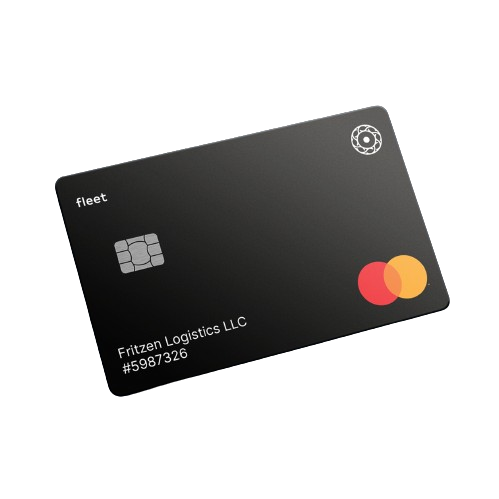
Small businesses spend thousands of dollars each year on fuel—and without the right tools, those expenses can quickly eat into your bottom line. The best gas card for small business operations does more than just pay at the pump. It helps you track spending, control employee spending, earn rebates, and manage cash flow all from one platform.
Unlike standard business credit cards that offer generic rewards, company fuel cards offer specialized fuel rewards and driver spending controls tailored to companies with vehicles on the road.
This guide compares the top fleet fuel cards for small businesses in 2026, breaking down acceptance, savings, fees, and features to help you find the right fit.
Key Takeaways
{{CTA}}
Before comparing specific cards, it's worth understanding what separates a good fleet card from a great one. Small business owners need solutions that balance savings with convenience—and that means looking beyond headline rebate numbers.
A fuel card is only effective if drivers can use it where they already operate. Some fleet cards are limited to specific fuel brands or regional networks, while others allow businesses to make vehicle-related purchases anywhere Mastercard is accepted.
Broad acceptance helps drivers stay on route, reduces unnecessary detours, and gives businesses more flexibility when fueling vehicles across different markets.
Fuel discounts can vary significantly between providers. While some fuel cards advertise large savings opportunities, actual discounts often depend on fuel type, location, and monthly fuel volume.
The best gas cards for business provide transparent pricing and make it easy to understand potential savings before you apply for a business fuel card. Businesses should focus on real-world fuel savings rather than headline discount figures alone.
A business gas card should help reduce costs, not create new ones. Monthly fees, transaction charges, setup costs, and other expenses can impact the overall value of a card program.
When comparing fuel cards for trucking companies and businesses, look for competitive pricing structures that make it easier to predict fuel expenses and manage budgets throughout the year.
The best fleet fuel cards do more than support fuel purchases. They also help businesses manage spending across drivers, vehicles, and locations.
Reporting tools can provide visibility into fuel usage, identify spending trends, and simplify reconciliation at the end of each billing cycle. For small businesses with limited administrative resources, these features can save valuable time.
Driver controls are one of the biggest advantages of a fleet card compared to a traditional business credit card.
Many fleet cards offer customizable card limits, transaction alerts, and purchase controls that help businesses monitor fuel spending and reduce unauthorized transactions. These tools, alongside fleet management solutions like vehicle tracking systems, give fleet managers greater oversight while providing drivers with the resources they need on the road.
Many businesses need a fuel card that supports more than fuel purchases alone. Depending on the provider, fleet cards may also be used for maintenance, repairs, parking, tolls, and other vehicle-related expenses.
Consolidating these purchases into a single platform can make expense management easier and provide a more complete view of total fleet operating costs.
As a business grows, its fuel management needs often become more complex. The best business gas card should be able to scale alongside your operation.
Features such as free employee and virtual cards, advanced reporting, and expanded fleet management capabilities can help growing companies manage business fuel spending more efficiently while maintaining control over expenses.

AtoB stands out as the top choice for small businesses seeking deep discounts, universal acceptance, and modern expense management tools. Unlike legacy fleet card providers, AtoB was built specifically for today's fleet operations with technology that actually works.
Acceptance: 99% of U.S. gas stations and fuel stations. AtoB cards work anywhere Mastercard is accepted, meaning drivers never waste time hunting for "approved" locations. This universal acceptance eliminates the frustration of network restrictions that plague branded cards.
Savings: Average savings of $0.42 per gallon* on diesel at truck stops, with discounts reaching up to $2.00 per gallon at participating locations. For regular unleaded, small businesses save an average of 5¢ per gallon across AtoB's discount network spanning over 30,000 gas stations.
Fees: $3 per card monthly for the Unlimited (prepaid) plan, or $15 minimum monthly for up to 5 Flex (credit) cards. One-time $35 setup fee. No transaction fees, no swipe fees, and no hidden charges buried in your account agreement.
Spending Controls: The AtoB app gives fleet managers complete control over employee cards. Set spending limits per transaction or time period, restrict operational hours, whitelist or blacklist specific merchants, and receive real-time alerts for all fuel purchases. Monitor driver spending in real-time and review fuel expense data by vehicle, project, or location. Premium subscribers ($6/card/month) unlock advanced features including app-based card unlock and telematics-based fraud prevention.
Cash Flow Benefits: Choose between the prepaid Unlimited card for budget control or the Flex credit card for improved cash flow. AtoB extends credit to small businesses without requiring personal guarantees—a major advantage for business owners who want to keep personal and business finances separate.
Business Credit Building: AtoB reports to all three major business credit bureaus (Dun & Bradstreet, Experian, and Equifax), helping small businesses establish credit history with every purchase.
Additional Perks: IFTA tax reporting automation, driver payroll features, 24/7 multilingual support, and up to $250,000 in fraud protection. The AtoB app provides instant access to fuel discounts, station locator features, and real-time spending alerts. The non-fuel discount network includes savings and rewards on vehicle maintenance, tires, and repairs—extending your rewards beyond just fuel expense management.
Best For: Small businesses wanting the combination of deep discounts, universal acceptance, modern technology, and no personal guarantee credit access. Drivers appreciate the easy-to-use mobile app, while fleet managers get all these features in one streamlined platform. Employees can fill up at virtually any gas station nationwide without worrying about network restrictions.
Learn more about AtoB fuel cards →
.jpg)
WEX offers fleet fuel cards and expense management tools designed for businesses seeking broad fueling network access, operational reporting, and fleet spending controls.
Acceptance: WEX cards are accepted at participating fueling locations across the U.S., with network access varying by card type and merchant participation.
Fuel Rebates: Fuel rebate opportunities vary by WEX product, participating merchant, account type, and fuel volume.
Fees: Fees, billing terms, and account costs vary depending on the selected WEX program and service agreement.
Spending Controls: WEX provides fleet management features such as transaction monitoring, driver controls, purchase restrictions, and operational reporting tools.
Best For: Businesses seeking broad network coverage, expense management capabilities, and operational visibility across multiple drivers or vehicles.
See the WEX website for current acceptance details, pricing, rebate programs, and account terms.
Fuelman provides fleet fuel cards and expense management solutions designed to help businesses manage fuel purchases, monitor driver spending, and access participating fueling networks.
Acceptance: Fuelman cards are accepted at participating fueling locations and networks, with coverage varying by card type and merchant participation.
Fuel Rebates: Fuel rebate opportunities may be available at participating network locations and can vary based on program structure, account type, and fuel volume.
Fees: Pricing structures, membership fees, and transaction costs vary by Fuelman plan and account agreement.
Spending Controls: Fuelman offers spending controls, purchase restrictions, reporting capabilities, and driver-level transaction monitoring tools.
Best For: Businesses seeking fleet spending controls, operational reporting, and fuel management tools through participating fueling networks.
See the Fuelman website for current pricing, network coverage, and rebate program details
.jpg)
Shell Card Business offers fleet fueling and expense management tools designed for businesses fueling within participating Shell and partner networks.
Acceptance: Acceptance depends on the selected Shell fleet card product and participating fueling locations. Some programs offer broader network access through supported payment networks.
Fuel Rebates: Fuel rebates and promotional offers may be available at eligible Shell locations and vary by account type, fuel volume, and promotional period.
Fees: Fees, billing structures, and account terms vary depending on the selected Shell fleet card product.
Spending Controls: Shell fleet cards include transaction monitoring, purchase controls, reporting tools, and account management features.
Additional Features: Select programs may include maintenance partnerships, loyalty integrations, or operational reporting tools.
Best For: Businesses frequently fueling at participating Shell locations or seeking branded fleet fueling programs.
See the Shell Fleet website for current rebate programs, pricing, and program details.
.jpg)
Coast provides fleet fuel cards and expense management software designed to help businesses monitor fuel purchases, manage driver spending, and streamline operational reporting.
Acceptance: Coast cards are accepted at participating locations within supported payment networks.
Fuel Rebates: Fuel savings opportunities vary by participating merchant, program type, and operational usage.
Fees: Pricing structures and billing terms vary depending on the selected Coast plan and account agreement.
Spending Controls: Coast offers real-time notifications, driver-level controls, expense tracking, receipt management, and integrations with select accounting platforms.
Best For: Businesses seeking fuel payment tools, broad network acceptance, and expense management capabilities.
See the Coast website for current pricing, feature availability, and program details.
Voyager fleet cards, issued by U.S. Bank, are designed to help businesses manage fuel purchases, driver spending, and vehicle-related expenses across participating fueling networks.
Acceptance: Voyager cards are accepted at participating fueling and service locations nationwide, with network participation varying by merchant and program type.
Fuel Rebates: Fuel rebate opportunities vary based on distributor participation, fuel volume, and account agreement terms.
Fees: Fees, account structures, and billing terms vary by Voyager program and provider agreement.
Spending Controls: Voyager offers transaction controls, purchase restrictions, operational reporting, and expense tracking capabilities for fleet operators.
Best For: Businesses seeking a broad fueling network access and fleet expense management tools across multiple geographic regions.
See the Voyager Fleet website for current pricing, acceptance details, and program features.
{{CTA}}
Fuel network coverage should be one of the first factors you evaluate. If your drivers regularly visit the same locations and frequently fuel at cards from Shell or another branded network, a branded fuel card may align with your operating patterns.
However, businesses with regional, multi-state, or constantly changing routes often benefit from a fleet card with broader acceptance. Greater flexibility can help drivers fuel where it makes the most sense while reducing delays caused by network restrictions. This is especially important for businesses operating near a mix of truck stops, fuel stations, and gas and EV charging stations.
The best gas card for your business is not necessarily the one advertising the largest discount. Instead, focus on the savings available where your drivers actually purchase fuel.
Evaluate the fuel locations your team uses most often and calculate expected savings based on actual purchasing behavior. Fleet fuel cards offer specialized fuel savings programs designed around vehicle operations, while some business credit cards that offer cash back on gas, bonus rewards on gas, or gas rewards may be better suited for businesses with lower fuel spending.
When evaluating gas cards for business, it is important to look beyond fuel discounts alone. Monthly card fees, transaction costs, account fees, and other charges can affect the overall value of a card program.
Calculate your expected annual fuel savings and compare them against total program costs. A fuel card with competitive pricing and lower ongoing expenses may provide greater value than an option with higher advertised rewards but additional fees.
Every business manages cash flow differently. Some companies prefer prepaid solutions that help control spending, while others benefit from access to credit that allows them to spread expenses over time.
Businesses comparing a fuel card with a business gas credit card should consider how each option supports working capital needs. Some companies may also prioritize opportunities to build business credit while managing fuel and vehicle-related expenses.
Fuel is only one part of the total cost of operating a vehicle. Many fleet cards support additional business expenses such as maintenance, repairs, tolls, parking, and vehicle supplies.
Consolidating these purchases onto a single platform can simplify reporting, improve visibility, and reduce administrative work. The best fleet cards give managers greater control over spending while helping teams make business purchases more efficiently.
The best business card for a fleet is often the one that saves the most administrative time. Look for features such as driver-level reporting, spending controls, employee card management, and virtual cards.
Unlike many rewards card products, fleet cards are specifically designed for vehicle operations. They provide tools that help businesses monitor fuel purchases, manage card limits, track spending by vehicle or driver, and support future growth as the fleet expands.
Also read:
Yes. Fleet fuel cards lock in per-gallon discounts that add up quickly across your vehicles, with larger fleets seeing the most significant savings. They also reduce administrative costs by consolidating scattered expense reports and credit card receipts into a single invoice for all fuel purchases—simplifying tax reporting and cutting paperwork for your team.
Fleet fuel cards provide per-gallon discounts (ranging from 5¢ to $2.00 depending on location and fuel type), eliminate reimbursement processing, prevent unauthorized purchases through spending controls, and consolidate vehicle expenses for easier tax deductions. By centralizing your fuel expense management, many small businesses save thousands annually through a combination of discounts, reduced fraud, and rewards on every purchase.
Yes. AtoB offers prepaid Unlimited cards with no credit check required, allowing any small business to access fuel discounts and expense management tools. The prepaid option also helps businesses build credit by reporting on-time payments to business credit bureaus.
Many legacy providers require personal guarantees for credit accounts. AtoB stands out by offering credit without personal guarantees for qualified small businesses, keeping your personal and business finances separate. This gives owners access to fleet fuel cards without risking personal assets. Unlike traditional business credit cards that often require cash collateral or personal liability, AtoB's approach helps small business owners manage fleet expenses without personal risk.
The right fleet fuel card does more than pay for gas—it transforms how you manage vehicle expenses across your entire operation. For small businesses, every dollar saved per gallon adds up across thousands of fill-ups each year.
AtoB delivers the best combination of savings, acceptance, controls, and modern technology for today's small business fleets. With average diesel discounts of 45¢ per gallon, 99% station acceptance, and no personal guarantee credit options, it's designed to help small businesses save money while simplifying operations.
Ready to stop overpaying at the pump? Get started with AtoB →
{{CTA}}
* Average discount of 42¢ refers to realized average savings per gallon of truck diesel across AtoB customer transactions at merchant partner truck stops during H2 2025. The up to discount of $2.00 refers to max realized savings per gallon of truck diesel across AtoB customer transactions at merchant partner truck stops during H2 2025. Average discount of 5¢ off per gallon of unleaded is an average across AtoB customer transactions at merchant partner gas stations during H2 2025.
Citations

.jpg)