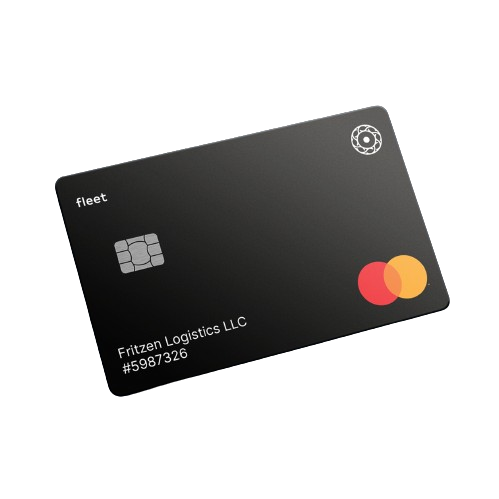
AtoB vs Roadflex: Which Fuel Card Offers Better Value for Your Fleet?

AtoB vs Roadflex: Which Fuel Card Offers Better Value for Your Fleet?

Published date:
October 30, 2025
Updated date
August 5, 2026

Choosing the right fuel card can save your fleet thousands of dollars annually—or cost you more in hidden fees and limited coverage. Both AtoB and Roadflex promise universal acceptance, transparent pricing, and advanced fraud protection, but which platform truly delivers better value for trucking companies and fleet operators?

Key Takeaways

  • AtoB vs Roadflex both offer Visa/Mastercard-based universal fuel cards, eliminating network restrictions that plague traditional fuel cards.
  • AtoB provides deeper truck stop discounts (averaging 45¢ per gallon vs Roadflex's 3¢ baseline), making it stronger for long-haul trucking operations.
  • Setup fees vary by provider and account type, though both platforms charge similar monthly per-card fees, with transaction fee policies that vary by account.
  • Security features differ: AtoB emphasizes telematics integration, while Roadflex focuses on SMS unlock and AI-powered fraud detection.

{{CTA}}

AtoB vs Roadflex Quick Comparison Table Guide

Feature AtoB Roadflex
Card Network Mastercard Visa
Account Setup Fee $35 Pricing varies by account*
Monthly Card Fee $3/card $3/card
Transaction Fees $0 Fees vary by account*
Truck Stop Discounts Avg. 42¢/gallon Fuel Savings*
Gas Station Discounts Avg. 5¢/gallon Fuel Savings*
Credit Check Required Eligibility requirements vary* Eligibility requirements vary*
Telematics Integration Yes (premium tier) Yes (premium tier)
IFTA Reporting Yes Yes
Cashback on Non-Fuel Varies by partner Cashback varies by account*
Fraud Guarantee Up to $250,000 Coverage varies by account*
Mobile App iOS & Android iOS & Android
24/7 Support Yes Yes

*View the Roadflex website for the most up-to-date product information.

Both platforms eliminate the out-of-network fees and transaction charges that make branded fuel cards expensive. However, their discount structures and ideal customer profiles differ significantly.

How Do Each Card Compare in Their Application & Approval Process?

AtoB and Roadflex application timelines favor businesses that need immediate access. Both fuel card companies offer prepaid card options with no personal credit check and minimal documentation requirements.

AtoB's application process requires:

  • Employer identification number (EIN)
  • Social Security Number (SSN)
  • Valid driver's license
  • Bank statements from the past three months
  • Instant approval for most applicants on the Unlimited prepaid card
  • 1-7 business days for credit card approval

Roadflex's application process requires:

  • Basic business details
  • Fleet size and estimated fuel volume
  • No personal guarantee or credit score requirements
  • Several business days for Prestige charge card approval

The key difference: AtoB approves spending limits up to $2,500 within 10 minutes for qualified applicants, while Roadflex emphasizes flexibility in setting your own prepaid limits based on how much you load onto cards (ATRI, 2024).

Neither platform has minimum fleet size requirements, making both accessible to solo owner-operators and large multi-vehicle fleets alike. Get started with AtoB to receive instant approval and start capturing fuel discounts.

Which Provides Stronger Security and Protection Features?

Fraud costs fleets 5-10% of annual fuel spending without proper controls, making security features critical when comparing AtoB vs Roadflex.

AtoB's security framework includes:

  • Instant card lock/unlock through mobile app
  • Secure card unlock requiring driver authentication before each fuel purchase
  • Telematics validation ensuring vehicles are within 100 meters of the purchase location
  • Fuel level validation prevents tank capacity overfills
  • Real-time transaction alerts for unusual activity
  • Fraud guarantee coverage up to $250,000 based on fleet size

Roadflex's security framework includes:

  • SMS-based unlock with active windows
  • EMV chip technology prevents card cloning
  • Location validation through telematics integration
  • Fuel type matching to prevent wrong fuel purchases
  • AI-powered retroactive fuel analysis detecting anomalies
  • reduction in fueling policy violations for customers

Both platforms integrate with leading telematics providers (Geotab, Samsara, Verizon Connect) to validate purchase locations against vehicle GPS data. This prevents unauthorized use even when fleet cards are physically stolen.

The decisive advantage: AtoB's $250,000 fraud guarantee exceeds Roadflex's unspecified coverage by a substantial margin, providing stronger financial protection for larger fleets with significant fuel volumes.

How Do AtoB and Roadflex Compare in Terms of Fees and Costs?

Hidden fees destroy fuel card ROI, making transparent pricing essential. Both AtoB and Roadflex explicitly advertise "no hidden fees," but their published fee schedules reveal subtle differences.

AtoB fee structure:

  • One-time account setup: $35
  • Monthly card fees: $3/card (Unlimited)
  • Monthly fee: $15 for 1-5 cards, then $3/card (Flex)
  • Premium features: $3/card additional
  • Transaction fees: $0
  • Out-of-network fees: $0
  • Card replacement: $0
  • Credit enablement: $75 setup + up to $0.30/gallon for fixed duration

Roadflex fee structure:

  • One-time account setup fee: varies by product
  • Monthly card fees: $3/card (both products)
  • Premium features: Custom pricing
  • Transaction, out-of-network, invoice, and late payment fees: policies vary by account and are subject to change

For a five-card fleet, annual costs break down as follows:

Cost Category AtoB Unlimited Roadflex Unlimited
Setup Fee (one-time) $35 Pricing varies by account*
Annual Card Fees $180 $180
Premium Features (optional) $180 additional Custom pricing*
Transaction Fees $0 Fees vary by account*
Total Annual (basic) $215 Pricing varies by account*
Total Annual (premium) $395 Pricing varies by account*

Roadflex's setup fee may differ from AtoB's, though both platforms maintain the same $3/month per-card pricing for prepaid options. The more meaningful cost difference for most fleets tends to emerge in discount capture rather than card fees.

Which Card Is Easier to Use for Fleet Managers and Drivers?

User experience determines daily adoption rates. If drivers struggle with card functionality or fleet managers can't quickly access spending data, even the best discount programs fail to deliver value.

AtoB platform features:

  • Web dashboard and mobile app (iOS/Android)
  • Individual card controls by driver, vehicle, or department
  • Merchant whitelisting and blacklisting
  • Operating hour restrictions
  • Real-time transaction alerts
  • QuickBooks integration for automated expense categorization
  • IFTA-compliant fuel tax reporting

Roadflex platform features:

  • Web dashboard and mobile app (iOS/Android)
  • Granular spending limits (transaction, daily, weekly, monthly)
  • Merchant category restrictions
  • Location-based purchase validation
  • Real-time alerts for approved/declined transactions
  • QuickBooks and Xero integration
  • IFTA automated reporting
  • 24/7 customer assistance with dedicated account managers (premium)

Both platforms enable fleet managers to set per-transaction limits, restrict purchase categories, and receive instant notifications of card activity. Drivers can access digital receipts, view transaction history, and locate nearby fuel stations through mobile apps.

Switch to AtoB to experience streamlined fleet management with industry-leading discount programs designed specifically for trucking operations.

{{CTA}}

Where Are AtoB and Roadflex Cards Accepted? What Is Their Network Coverage?

Network acceptance determines whether drivers can fuel conveniently or waste time searching for approved locations. Both AtoB and Roadflex solve this problem through major card network partnerships.

AtoB acceptance network:

  • Accepted at 99%+ of U.S. gas stations and truck stops
  • Mastercard universal acceptance
  • 140,000+ fuel stations nationwide
  • Partner network includes TA, Petro, TA Express, Speedway, RaceTrac, Kwik Trip, Chevron, and 7-Eleven.
  • International acceptance through the Mastercard network
  • Can port existing discounts from TA Petro, Speedway, RaceTrac, Love's (but not Pilot Flying J)

Roadflex acceptance network:

  • Accepted at any location that accepts Visa
  • Broad network of fuel stations and truck stops nationwide*
  • Partner network includes brands such as Shell, BP, 76, Exxon, Mobil, Sunoco, Gulf, Citgo, Refuel, and Double Quick
  • International acceptance through the Visa network
  • Notable coverage in the Northeast/Mid-Atlantic region through its Global Partners partnership

The critical advantage of both platforms: universal acceptance eliminates routing inefficiencies. Traditional fuel cards force drivers to detour to in-network stations, adding miles, time, and wear-and-tear costs that often exceed fuel savings (U.S. Department of Transportation, 2024).

With AtoB vs Roadflex, drivers purchase fuel wherever it is most convenient along their routes—at busy truck stops, rural independent stations, or urban convenience stores—without worrying about out-of-network penalties.

How Do AtoB and Roadflex Compare in Terms of Fuel Savings & Discounts?

Fuel discounts directly impact fleet profitability, making this the most critical comparison factor. AtoB vs Roadflex discount structures target different operational models.

AtoB discount program:

  • Average 42 cents per gallon at truck stops where fleets fuel most frequently
  • Average 5 cents per gallon at gas stations
  • Up to $2.00/gallon maximum savings at select locations
  • Discounts will apply automatically at the point of sale
  • No limits on discounted gallons
  • Discount porting available for existing relationships (except Pilot Flying J)

Roadflex discount program:

  • Baseline fuel discounts that vary by card type and are available nationwide, with rates that vary by account
  • Enhanced discounts at Global Partners, Refuel, and Double Quick locations
  • Cash back on non-fuel purchases, at a rate that may vary
  • No limits on discounted gallons, subject to account terms
  • Fuel cost savings vary by fleet and are subject to change

For trucking companies that primarily fuel at major truck stops, AtoB's 42¢ average discount delivers 4.5-15x greater savings than Roadflex's baseline fuel card program. However, Roadflex's universal baseline discount ensures savings at every transaction, regardless of location.

AtoB's discount advantage extends across both diesel truck operations and gasoline light-duty fleets, though the margin narrows for gas-station-focused fleet operations.

Which Platform Offers Better Expense Management and Controls?

Expense visibility prevents cost overruns and identifies optimization opportunities. Both AtoB vs Roadflex provide comprehensive reporting with expense management tools, but their approaches differ.

AtoB expense management features:

  • Transaction-level detail by card, driver, vehicle, department
  • Real-time spending dashboards
  • Customizable reporting templates
  • AI-powered insights dashboard highlighting anomalies
  • IFTA-compliant tax reporting by jurisdiction
  • QuickBooks integration for automated categorization
  • Multi-user dashboard with role-based permissions
  • AtoB FuelMap route optimization (premium tier)

Roadflex expense management features:

  • Transaction-level reporting with merchant, date, amount, gallons, price/gallon, fuel type
  • Driver and vehicle performance benchmarking
  • Customized reporting by location, fuel type, vehicle category
  • Automated IFTA compliance reports
  • QuickBooks and Xero integration
  • Open API for custom integrations

Both platforms eliminate manual receipt collection and data entry, automatically syncing transaction data into accounting systems with expense tracking capabilities. Fleet managers report closing books 70% faster with Roadflex's automated categorization.

The advantage for complex multi-location fleets: AtoB's FuelMap optimization identifies the lowest-cost fuel stops along planned routes, saving an average of 21 cents per gallon through smart routing. This combines algorithmic optimization with discount networks to maximize cumulative savings.

How Do AtoB and Roadflex Handle Payments and Card Features?

Payment flexibility determines cash flow management capabilities. AtoB vs Roadflex both offer prepaid and credit options with distinct payment models.

AtoB payment options:

  • Prepaid Unlimited card: Load funds before use
  • Flex credit card: Weekly or monthly billing cycle
  • Automatic ACH withdrawals
  • Online payment portal
  • Electronic funds transfers
  • Check payments accepted

Roadflex payment options:

  • Prepaid Unlimited card: Set your own limits based on loaded funds
  • Prestige charge card: Line of credit with terms that vary by account
  • Automatic ACH withdrawals
  • Online payment portal
  • Late payment and overdraft fee policies vary by account and are subject to change

Both platforms process prepaid transactions immediately from loaded balances, while credit options follow traditional billing cycles. Neither charges ACH fees, invoice fees, or payment processing charges—a significant advantage over traditional fuel cards that impose $2-10 invoice fees and 12% late payment penalties.

The cash flow advantage for growing fleets: Prepaid cards provide absolute spending control without requiring credit evaluation, while business credit cards provide working capital flexibility for established operations with seasonal volume fluctuations.

Which Fuel Card Streamlines Fleet Administration More Effectively?

Administrative burden consumes fleet manager time that could be spent on optimization and growth. Both platforms significantly reduce paperwork compared to legacy systems.

AtoB administrative benefits:

  • Eliminates manual receipt collection
  • Automates expense categorization
  • Provides consolidated reporting across all fleet activity
  • Integrates with telematics for automated compliance
  • Enables instant card provisioning (physical and virtual)
  • Streamlines IFTA quarterly filing
  • Reduces the month-end close time

Roadflex administrative benefits:

  • Designed to reduce time spent on fuel reconciliation, with actual time savings varying by fleet
  • Automation features intended to help close books faster
  • Aims to reduce the need for manual audits
  • Instant virtual card creation
  • Automates IFTA compliance reporting
  • Integrates with fleet management software (Fleetio, FleetUp)
  • Open API enables custom workflow automation

Fleet managers report spending 15-20 hours weekly on fuel expenses management with traditional cards, compared to 2-3 hours with modern platforms like AtoB vs Roadflex. This time savings translates to 12-18 hours weekly of productive capacity redirected to route optimization, driver coaching, and business development.

For multi-vehicle operations managing diverse job sites, AtoB's platform enables project-specific card assignment with automatic cost allocation, simplifying billing and profitability analysis.

Which Fuel Card Offers Better Visibility and Transparency in Spending?

Spending visibility prevents fraud and identifies cost reduction opportunities. Real-time data access transforms reactive expense management into proactive cost control through advanced spending controls.

AtoB transparency features:

  • Real-time transaction notifications (SMS, email, app)
  • Transaction-level detail, including merchant, location, timestamp, amount, gallons, price
  • Exception reporting flagging unusual patterns
  • Driver performance benchmarking
  • Vehicle fuel efficiency tracking
  • Merchant-level spending analysis
  • Custom alert thresholds

Roadflex transparency features:

  • Real-time alerts for approved/declined fuel transactions
  • Itemized transaction details with fuel type, price/gallon, and location
  • Driver and vehicle performance rankings
  • AI-powered anomaly detection
  • Retroactive fuel analysis correlating gallons to miles driven
  • Customizable reporting by any dimension
  • Enhanced visibility that may help reduce policy violations, with actual results varying by fleet

Both platforms provide identical transaction information and real-time alerts, ensuring fleet managers can track spending and respond immediately to unauthorized activity or policy violations.

The analytics advantage: Roadflex's AI-powered, retroactive analysis automatically identifies fuel-efficiency anomalies, suggesting mechanical issues, unauthorized fuel purchases, or driver behavior issues requiring intervention. This proactive detection prevents small problems from becoming expensive failures.

What Are the Benefits & Drawbacks of Using Each Card?

Every fuel card involves tradeoffs. Understanding the strengths and limitations of AtoB vs Roadflex helps match solutions to specific fleet needs.

AtoB Benefits:

  • Industry-leading truck stop discounts (42¢ average)
  • $250,000 fraud guarantee coverage
  • Instant approval without credit checks
  • No transaction fees or out-of-network penalties
  • Comprehensive telematics integration
  • FuelMap route optimization
  • Strong support for trucking operations

AtoB Drawbacks:

  • Higher account setup fee ($35 vs $25)
  • Mastercard acceptance is slightly narrower than Visa
  • Cannot port Pilot Flying J discounts
  • Premium features add $3/card monthly
  • Flex credit pricing is higher for small fleets

Roadflex Benefits:

  • Baseline discounts across a broad network of stations, with rates that vary by account
  • Cash back on non-fuel purchases, at a rate that may vary
  • Setup fee that varies by account type
  • Customer satisfaction ratings that vary by source and change over time
  • Coverage in the Northeast/Mid-Atlantic region through Global Partners
  • Designed to reduce time spent on reconciliation, with actual time savings varying by fleet
  • AI-powered fraud detection

Roadflex Drawbacks:

  • Baseline discounts may be lower than enhanced or partner-location rates offered by some other providers
  • Fraud guarantee coverage details vary by account and are not always fully specified
  • Enhanced discounts may require fueling at partner locations
  • Transaction limits may apply at some gas stations, depending on account terms
  • Pricing for premium features may vary and isn't always fully transparent upfront

For long-haul trucking companies prioritizing maximum fuel savings, AtoB's 42¢ average discount at truck stops delivers superior ROI. For mixed fleets operating locally with diverse fueling patterns, Roadflex's universal baseline plus flexible controls may provide better overall value.

What Makes AtoB and Roadflex Popular Fleet Card Options?

Both platforms solve fundamental problems that plague traditional fuel cards: network restrictions, hidden fees, weak fraud controls, and poor reporting.

Both platforms demonstrate strong market validation through documented customer success stories, high satisfaction ratings, and measurable ROI in the form of fuel savings, time savings, and fraud reduction.

The bottom line: AtoB excels for trucking companies prioritizing the highest fuel discounts at truck stops, while Roadflex offers superior flexibility for diverse fleet types with varied operational patterns.

Get started with AtoB today to unlock 42 cents per gallon average savings and eliminate hidden fees destroying your fuel budget.

Also read:

FAQs

Do both AtoB and Roadflex require a credit check?

Neither fuel card provider requires credit checks for their prepaid card options.  Credit-based cards require a credit evaluation and take 1-7 days to be approved.

Are there any hidden fees with AtoB or Roadflex?

Both platforms explicitly commit to transparent pricing with no hidden fees. Neither charges transaction, out-of-network, card replacement, or invoice fees. AtoB charges a $35 account setup fee, while Roadflex varies by account type and is subject to change, including setup fees, transaction fees, and monthly card fees.

Which is better for small businesses?

For long-haul trucking companies with 1-10 trucks that primarily fuel at truck stops, AtoB delivers superior value through average discounts of 42 cents per gallon, saving $4,000-$8,000 annually per truck. For local delivery or mixed fleets with diverse fueling patterns, Roadflex's universal baseline discount ensures savings at every transaction, and 1% cashback on non-fuel purchases provides additional value for vehicle maintenance and repair expenses.

Find the Best Fleet Fuel Card for Your Fleet Today

Choosing between AtoB vs Roadflex depends on your operational profile, fueling patterns, and fleet management priorities. Both platforms eliminate the hidden fees, network restrictions, and weak fraud controls that make traditional fuel cards expensive and frustrating.

Choose AtoB if you:

  • Operate long-haul trucking with heavy diesel consumption at major truck stops
  • Want industry-leading fuel discounts (42¢ average)
  • Need strong fraud protection ($250,000 guarantee)
  • Value route optimization and comprehensive trucking-focused features

Choose Roadflex if you:

  • Run mixed local/regional fleets with diverse fueling locations
  • Want fuel savings that vary by account and participating station, across a broad network nationwide
  • Need cash back on non-fuel vehicle expenses, at a rate that may vary
  • Prefer AI-powered analytics and anomaly detection

Both platforms deliver measurable ROI through fuel savings, reduced administrative time, and fraud prevention. The right choice depends on which discount structure aligns with your actual fueling behavior.

Ready to save money? Sign up for AtoB and begin capturing 42 cents per gallon average discounts at truck stops nationwide—with instant approval, no credit checks, and zero hidden fees.

{{CTA}}

Citations

[1] https://www.atob.com/
[2] https://www.roadflex.com/
[3] https://www.capterra.com/p/10012600/RoadFlex/
[4] https://www.fleetmanagementweekly.com/roadflex-fuel-management-reimagined/
[5] https://truckingresearch.org/

Get started with AtoB

Nainika Kumar

Written by

Nainika Kumar

Marketing

Darren Guo

Reviewed by

Darren Guo

Product Manager‍

Start saving today
fleet card
We use weekly fuel spend to determine your credit limit.
Thank you! Your submission has been received!
Back to Home
Oops! Something went wrong while submitting the form.
By submitting this form you agree to our Platform Agreement and Privacy Policy. You may receive SMS and auto-dialed call communications from us and can opt out at any time.
Log in
Log in
Get started
Get started